Why It Happens, What It Damages, and How to Fix It
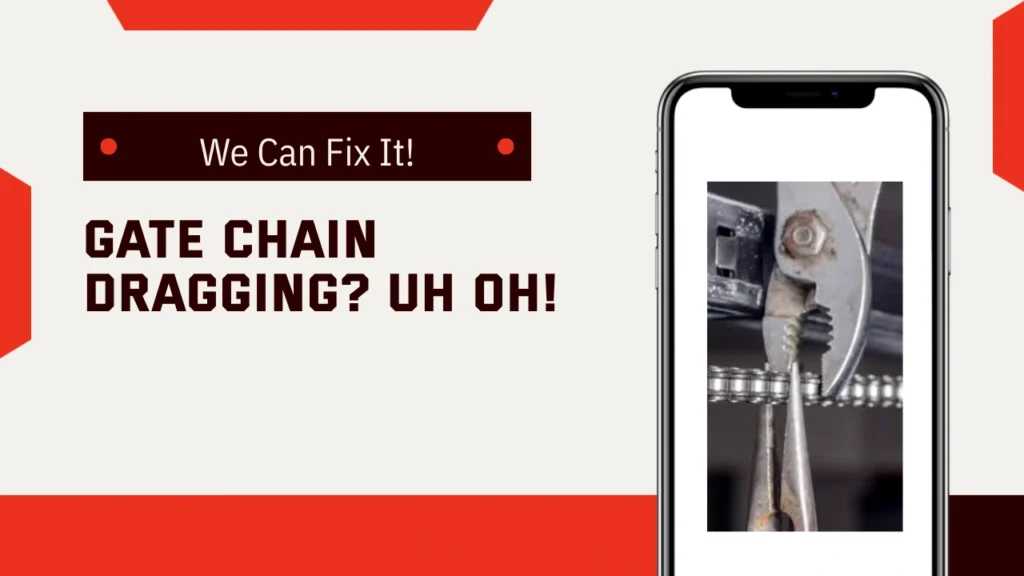
A dragging chain on a slide gate is one of the most common problems homeowners notice — usually because they hear the scraping sound or see the chain pulling along the ground. While it may seem like a small inconvenience, a sagging or dragging chain can quickly turn into serious gate damage if not addressed.
Here’s a simple guide to help you understand why your gate chain is dragging, what it means, and what to do next.
Why Your Gate Chain Is Dragging
Gate chains are designed to stay tightened, aligned, and elevated so the gate operator can pull the gate smoothly. When the chain starts dragging, one or more of these issues is usually the cause:
1. The Chain Has Stretched Over Time
Chains naturally stretch with age, use, and weather. When stretched, the chain becomes loose and begins to sag.
Example:
A gate that used to glide smoothly now begins to hesitate or jerk because the operator is trying to pull a chain that has too much slack.
2. Chain Tensioner or Adjustment Brackets Have Loosened
Most slide gates have tensioning bolts or brackets that keep the chain tight. Over time, vibration and regular use can loosen them.
Example:
The gate still works, but the slack allows the chain to hang low until it scrapes the ground.
3. Worn or Damaged Chain Links
If the chain has been dragging for a while, dirt and debris grind into the metal and cause accelerated wear.
Example:
One or more links become “stretched open,” bent, or weakened, causing uneven pull and possible chain derailment.
4. Gate Is Out of Alignment
If the gate is not level — due to shifting soil, track issues, or hinge movement on the leading edge — the entire chain line becomes misaligned.
Example:
The chain drags on one end even though it looks tight near the operator.
5. Chain Roller, Idler Wheel, or Mounting Hardware Has Failed
Some systems use rollers or idlers to guide the chain. When these components fail, the chain loses support.
Example:
A broken roller allows the chain to sag several inches, instantly causing drag.
What Damage a Dragging Chain Can Cause
A dragging chain is more than a nuisance — it can damage your gate system in several costly ways:
1. Skipping Chain on the Operator Sprocket
When the chain is too loose, it can jump teeth on the motor sprocket.
This causes:
- Jerky movement
- Loud popping sounds
- Premature sprocket wear
- Operator stress and overheating
Left alone, this can lead to complete operator failure.
2. Chain Derailing Completely
A sagging chain may eventually fall off the sprocket entirely.
When this happens:
The gate usually stops mid-travel or refuses to move at all.
3. Bent or Damaged Gate Track
A dragging chain can pick up gravel, sticks, or debris — grinding them into the track.
This can create rough spots or bends, causing the gate to bind or derail.
4. Chain Link Failure
Once links begin to wear unevenly, they can snap under tension.
A broken chain can cause the gate to slam, stop unexpectedly, or become stuck open.
5. Operator Damage
Excess strain on the gate operator can lead to:
- Worn gears
- Burned-out motors
- Broken sprockets
- Overload shutdowns
A small chain problem can become a big repair if ignored.
What Homeowners Can Safely Check Themselves
Before calling for service, here are a few simple things you can look at without special tools:
✔ Look for obvious sagging or dragging on the ground
If you can see the chain bowing or laying on the track, it needs adjustment.
✔ Check for missing or broken brackets
Sometimes a single tension bracket failure causes the entire sag.
✔ Check for debris caught in the chain
Remove sticks or rocks that may be trapped.
✔ Listen for popping or grinding sounds
This usually indicates skipping on the sprocket — a sign to stop using the gate until repaired.
✔ Do NOT attempt major adjustments unless experienced
Chain tensioning must be done carefully. Over-tightening can damage:
- The operator
- The motor
- The chain
- The sprockets
A light, visual check is fine — major adjustments should be left to a technician.
How We Fix a Dragging Gate Chain
When our technicians arrive, they typically:
- Inspect chain tension and alignment
- Identify stretched or damaged chain links
- Adjust or replace chain tensioners
- Realign the gate and track if needed
- Inspect sprockets for wear
- Replace rollers or idlers if they failed
- Lubricate components for smoother, longer-lasting operation
If the chain has been dragging for a while, we may recommend replacing all or part of the chain to prevent future breakdowns.
Closing
A dragging chain is more than an annoyance — it’s a warning sign that something needs attention before it becomes a major repair. Whether your chain just needs a simple adjustment or has already caused skipping, derailing, or operator damage, we can fix the problem quickly, affordably, and professionally.
Give us a call at 916-713-5276 or send us an email — we’ll get your automated gate running smoothly again.